NEWS ORGANISATIONS
KBS
HISTORY OF KBS
KBS began as Kyeongseong Broadcasting Corporation and was established by the Governor-General of Korea on 16 February 1927. This second radio station started using the call sign HLKA in 1947 after the Republic of Korea got the call sign HL of the International Telecommunication Union. After doing a national broadcast, the radio was renamed Seoul Central Broadcasting Station in 1948.
1950s–1960s – Move into television
Television broadcasts in South Korea began on 12 May 1956 with the first television station HLKZ-TV. It was sold to KBS in 1961.
KBS station status changed from government to public broadcasting station on 3 March 1973. Construction of KBS headquarters in Yeouido started in 1976. In 1979, KBS radio began broadcasting on the FM wave with the launch of KBS Stereo (now KBS 1FM).
1980s – Advertising started after controversial merger
KBS began accepting advertising in 1980, differing from the norm of advert-free broadcasting by public broadcasters, after the forced merger of several private broadcasters into KBS by the military government of Chun Doo-hwan (see Controversies).
In 1981, KBS launched KBS 3TV and Educational FM, and on 27 December 1990, the channels split from KBS to form the Educational Broadcasting System (EBS).
After a revision of the television licensing fee system in 1994, KBS1 stopped broadcasting commercials.
In March 2013, computer shutdowns hit South Korean television stations including the KBS. The South Korean government asserted a North Korean link in the March cyberattacks, which has been denied by Pyongyang.
https://en.wikipedia.org/wiki/Korean_Broadcasting_System

Basic Information Of KBS
The owner is publicly is basically own by the Korean government, is different from other two company. And it have collaborate with other country television program over 14 country. KBS is the online journalism, is also a television program, it is famous at the entreatment. It also got their own vanity show and drama. The most famous music show is the music bank all the famous singer or k-pop they have new song came out they will present in this show, and this show is from 1998. Also This an international program it have a youtube account to put the show up for the international and it have support the subtitle for the people don’t understand english. It got about 11.7million people subscribe their youtube channel.
Typical Story Type Of KBS
This is happen in 14th October 2019, this had get public’s attention because of her death is cause by the depression. And the common from her anti-fans cyberbully , this leads her depression more serious and till the last it leads her dead. This gets public attention really fast and the public had gone to the South Korean Blue House to petition from Sullies death of the cyberbully. In Korean the cyberbully to the artist is really series it had leads a lot of artist and actor to a series depression. The Korean residence wants the Bule House to establish a police call Sulli police. Is to punish the cyberbully person online.

South Korean singer and actress Sulli has been found dead.The body of the 25-year-old, whose legal name is Choi Jin-ri, was found by her manager at around 3:21 p.m. at a two-story house in Seongname, Gyeonggi Province. Police are investigating the cause of her death on the assumption that she may have taken her own life. Police have said a handwritten memo was found but it was not a suicide note. The singer and actress suffered from online abuse.
http://world.kbs.co.kr/service/contents_view.htm?https://encrypted-tbn0.gstatic.com/images?q=tbn%3AANd9GcSJoQQMWQgtv-mBjjZL11jbysCd4XQpAlW7fV8U2FOhDr95677v
NEWS STORIES VS NEWS FEATURES
The difference between news stories and news features

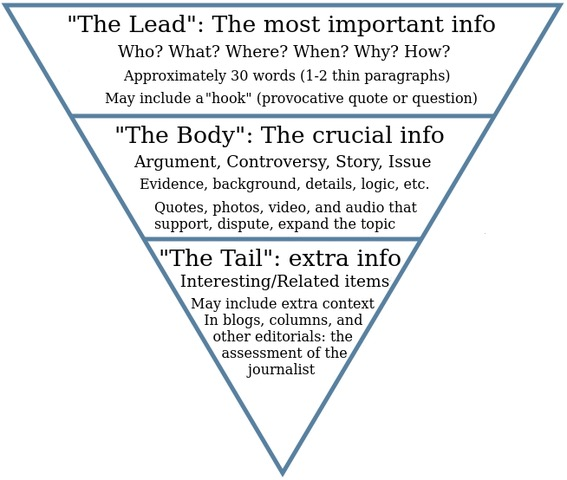
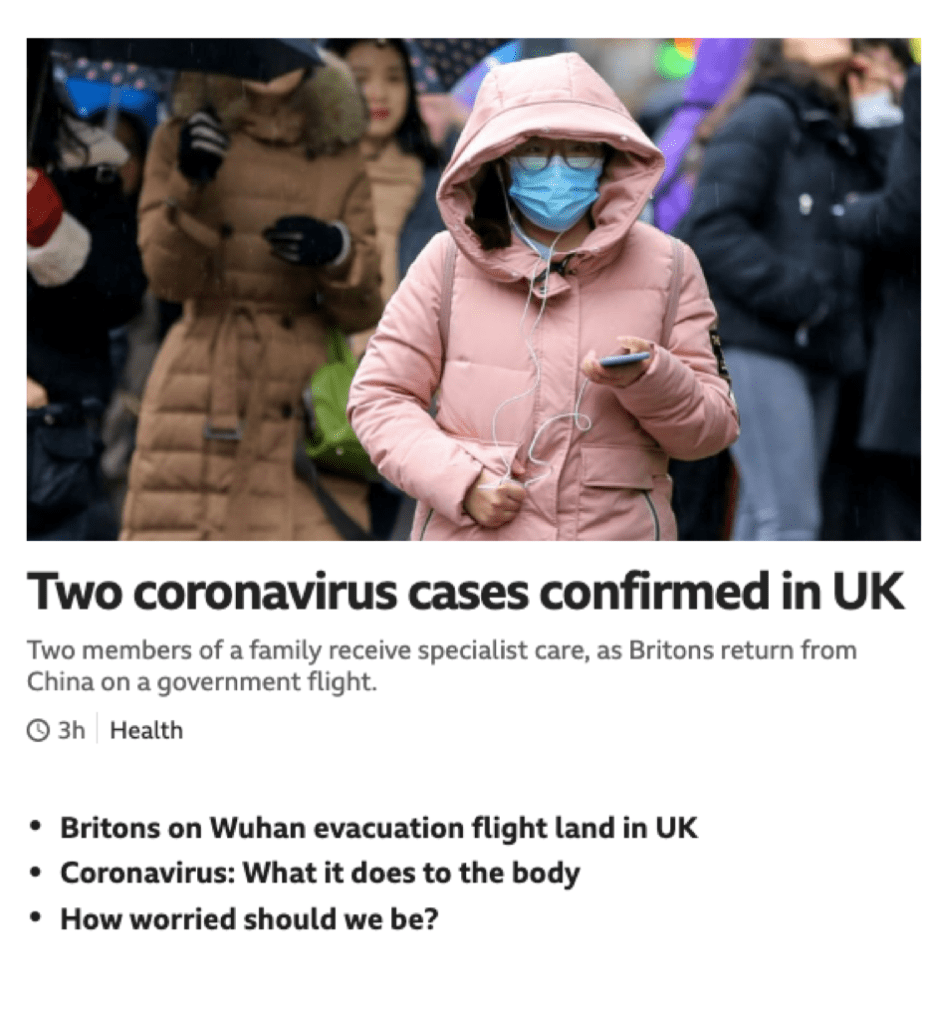
News Stories is more short compare to the News features also more academic to the news features and simplify. The structure is different from the novels or letters.
Narrative writing is tells the whole story to the audience also tells the story in order, on the other hand the news writing is start the story from the most worthy part they fill the part of the stories that is not newsworthy than delete it.
The news written in this way can save the more time for the audience and also limited the not useful information in the new show the more worthy part to the audience, also easy to understand in a word rather use a whole paragraph to explain what is this story tells.
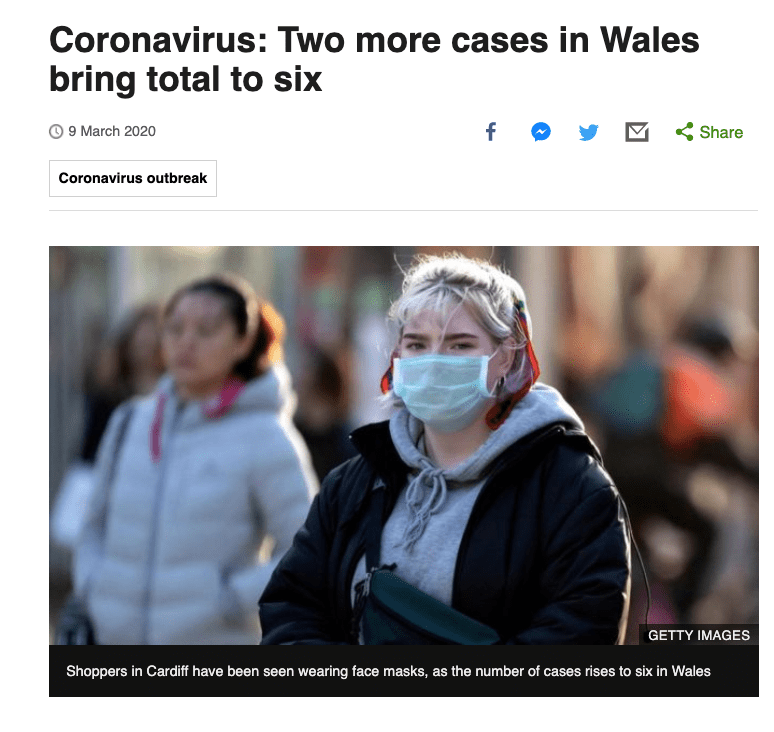
This is a News Feature, about the coronavirus in UK
USER-GENERATED CONTENT
User-generated content (UGC), alternatively known as user-created content (UCC), is any form of content, such as images, videos, text and audio, that have been posted by users on online platforms such as social media and wikis. The term “user-generated content” and the concept it refers to entered mainstream usage in the mid-2000s, having arisen in web publishing and new media content production circles. The BBC adopted a user-generated content platform for its websites in 2005, and TIME Magazine named “You” as the Person of the Year in 2006, referring to the rise in the production of UGC on Web 2.0 platforms. CNN also invested in developed a similar user generated content platform, known as iReport. There are several other examples of news channels implementing similar protocols, especially in the immediate aftermath of a catastrophe or terrorist attack. Social media users are able to provide key eyewitness content and information that may otherwise have been inaccessible. Due to new media and technology affordances, such as low cost and low barriers to entry, the Internet is an easy platform to create and dispense user generated content, allowing the dissemination of information at a rapid pace in the wake an event taking place. However, UGC is not solely limited to mainstream news or media.
User-generated content is used for a wide range of applications, including problem processing, news, entertainment, advertising, gossip and research. It is an example of the democratization of content production and the flattening of traditional media hierarchies. During the 1970s and 1980s, traditional “gatekeepers” such as newspaper editors, publishers and news shows approved all content and information before it was aired or published, in the 1990s and 2000s, as media production through new technologies has become more accessible, user friendly and affordable to the general public, large numbers of individuals are able to post text, digital photos and digital videos online, with little or no “gatekeepers” or filters.
In 2006 CNN launched CNN iReport, a project designed to bring user generated news content to CNN. Its rival Fox News Channel launched its project to bring in user-generated news, similarly titled “uReport”. This was typical of major television news organizations in 2005–2006, who realized, particularly in the wake of the London 7 July bombings, that citizen journalism could now become a significant part of broadcast news. Sky News, for example, regularly solicits for photographs and video from its viewers.
While the benefit derived from user generated content for the content host is clear, the benefit to the contributor is less direct. There are various theories behind the motivation for contributing user generated content, ranging from altruistic, to social, to materialistic. Due to the high value of user generated content, many sites use incentives to encourage their generation. These incentives can be generally categorized into implicit incentives and explicit incentives.
https://en.wikipedia.org/wiki/User-generated_content

PHOTO ESSAY
ZED NELSON
Photo essay on a place in East London called Hackney, the poorest part in the city now one of its trendiest. http://www.zednelson.com/?Hackney:thumbnails
He had use the photo essay to show how Hackney was like and how peoples is like at Hackney.







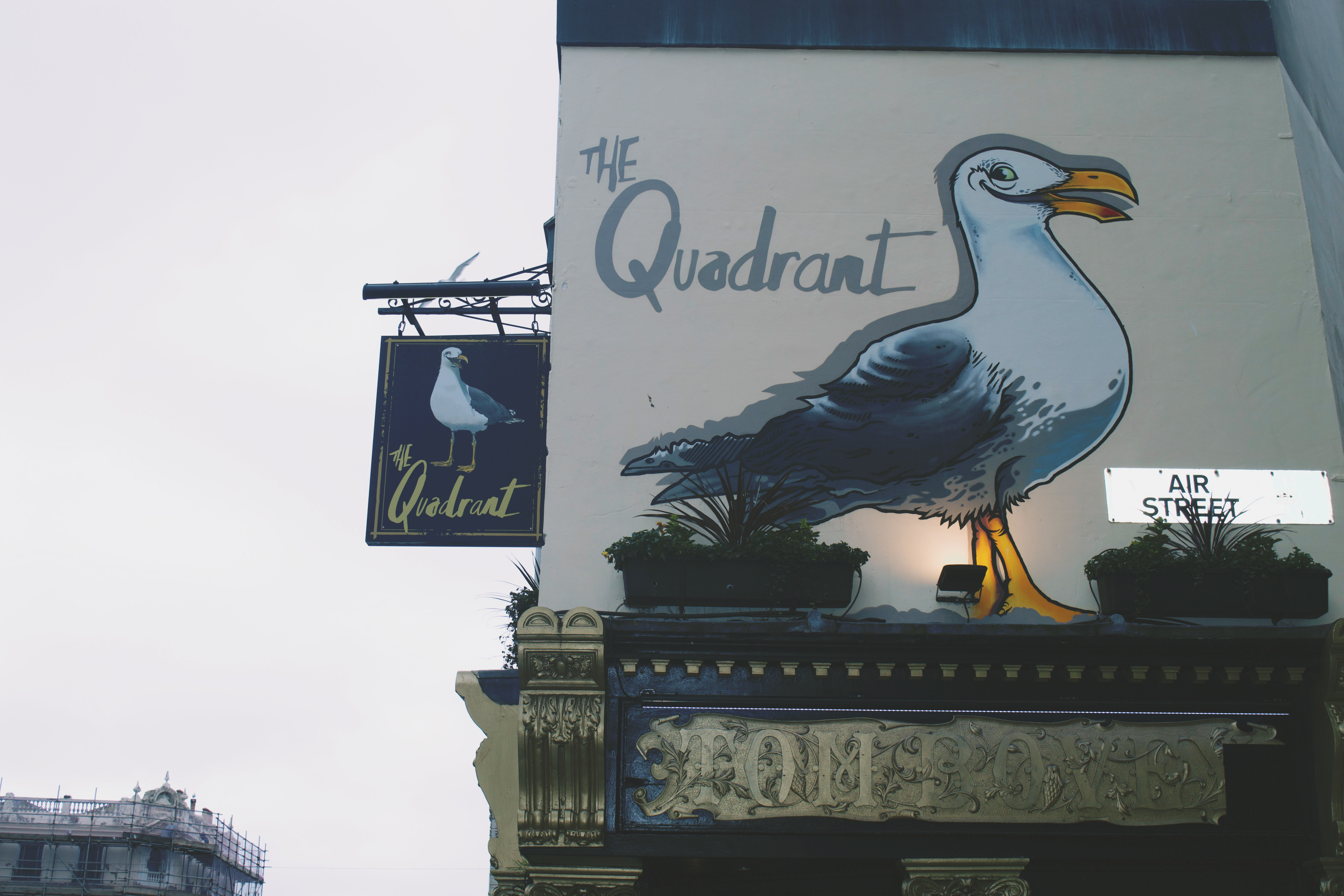



Photo essay about Brighton, topic about urban and old contrast between the buildings.
INFOGRAPHIC

https://www.commonsensemedia.org/research/news-and-americas-kids-infographic
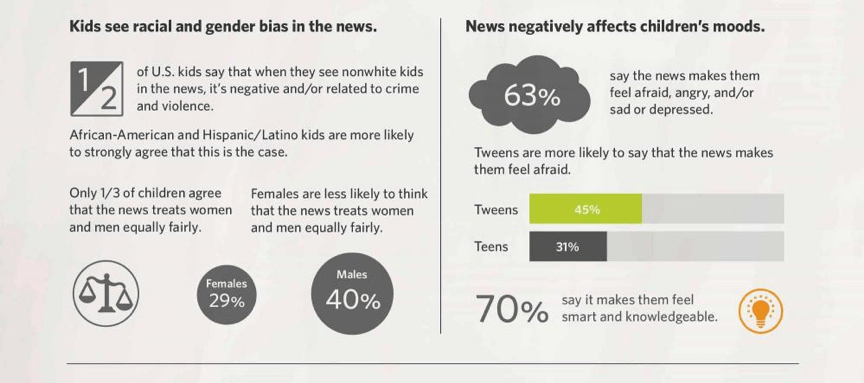
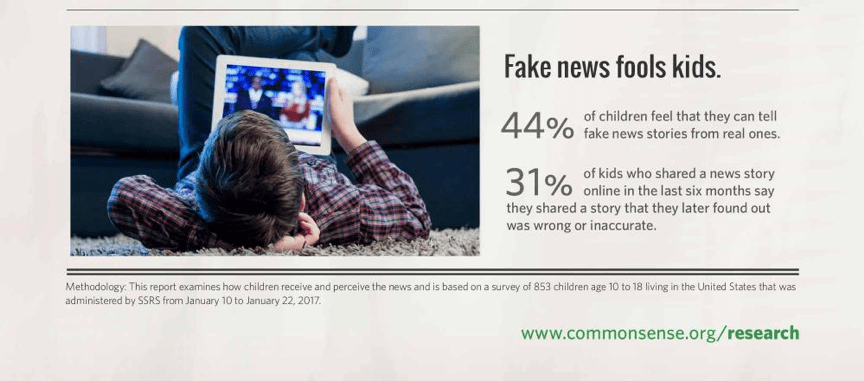
It’s a basic technique, use bar chart and pie chart. There is black color use for main resources, and green, orange and grey color to highlight the data.
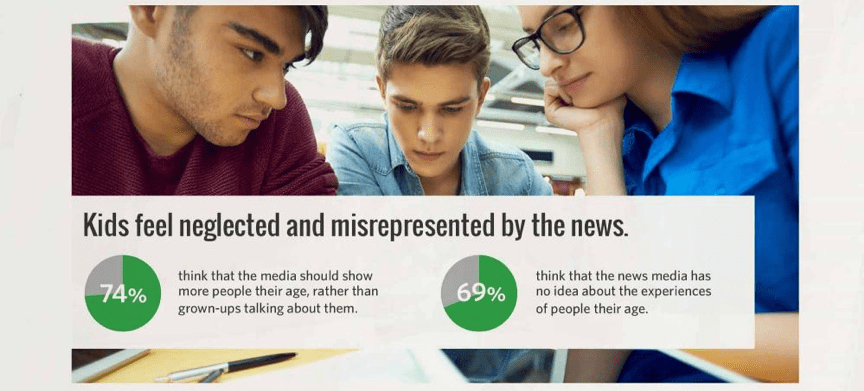
It used chart to show the comparison between the data of how young people perceive and are impacted by the news. In second part of the infographic, it used pie chart to show the data of kids feel neglected and misrepresented by the news. There is 74% of child think that the media should show more people their age, rather than grown-ups talking about them. Another pie chart shows 69% child think that the news media has no idea about the experiences of people their age.
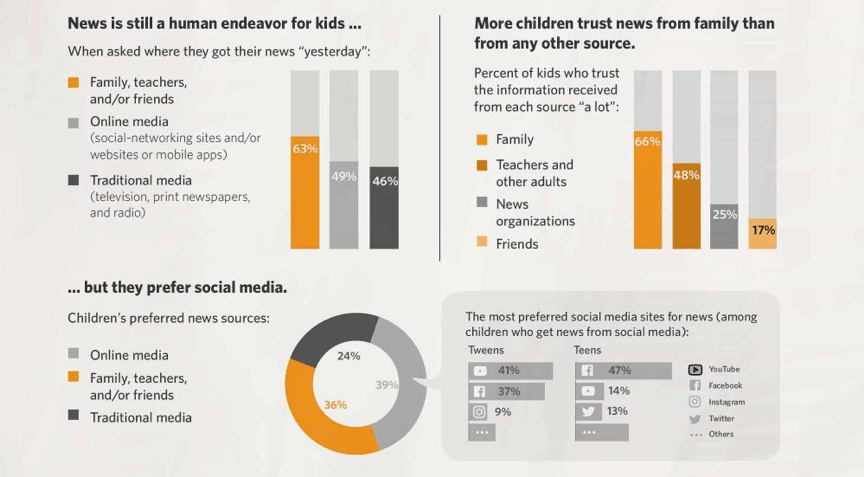
In forth part, it used bar chart to show about when asked where youth people got their news “yesterday”. The highest one is Family, teachers and friends (63%), second one is Online media (49%), and the lowest one is Traditional media (46%). But youth people prefer social media. The most popular news source is Online media 39%), then Family (36%), and the lowest one is Traditional (24%). The four sources of more children trust are Family, Teachers, News organizations and Friends. The highest one is Family (66%), and the lowest one is Friends (17%). o, they use comparison as a technique to emphasize figures.
This infographic give the clearly information and used simple diagram to tell reader.
VOXPOPS INTERVIEW
Apology for the quality
I had done this interview with Irene with as my partner.
This interview is about If you had one more chance would you like to change your gender. From the interview we can see that from a different age group from different peoples view point they are all mainly want to be a girl or women. From their point they think female had more benefit. This interview had shown different age group, different sexual also different nationality their point are mainly the same all think be a girl or a women would be much more better than a man.
 Rach's blog